

Did you know that only 2% of global venture capital flows to female-led startups, yet, across Africa, women are leading the way in AI innovation, often outpacing this global average and transforming local problems into powerful, homegrown tech solutions?
Opening Insights: Rethinking Silicon Valley’s Influence on AI in Africa
For years, the world’s tech industry has celebrated Silicon Valley as the cradle of innovation, a template for success repeated from San Francisco to Los Angeles and copied across continents. But when it comes to artificial intelligence, the single-story approach of building “the next Facebook” or “the next Google” in Africa neglects the pressing, real-world challenges that African communities actually face. Instead of relying on Silicon Valley clones, a new generation of African women is driving the tech ecosystem forward by focusing on what matters: local problem-solving, groundbreaking research, and impactful AI startups.
As an Africa-based science and technology journalist immersed in this landscape, it’s clear: the narrative must move past assumptions that African tech is just a lagging replica of Western counterparts. Today, African women technologists are bridging the world of generative AI, research, and entrepreneurs to solve uniquely African issues, issues that no amount of imported expertise from tech giants or venture capital can address without local context. This article journeys inside that revolution, guided by the voices, innovations, and stories of African women breaking new ground in AI.

-
What You’ll Learn
How African women lead shifts between local problem-solving and global AI trends
Examples of startups, research, and applied AI initiatives not modeled on Silicon Valley clones
The significance of moving the narrative away from replicating tech startups and generative AI built abroad
The roles African women play in the evolving tech ecosystem
A Startling Reality: African Women’s Influence on Generative AI Beyond the Familiar Tech Startups
"Only 2% of global venture capital goes to female-led startups—yet African women are outpacing that average in AI innovation."
The familiar stories of AI startups often focus on Ivy League graduates chasing billions of dollars in venture capital in Silicon Valley. But the African continent tells a different story, one where the face of generative AI is increasingly female, and problem-solving is rooted in community realities rather than imported business models. Across Nigeria, Kenya, South Africa, and beyond, African women are bypassing the gatekeepers of tech funding and creating impact in sectors often ignored in the United States or Europe.
These African women are not only closing the gender gap in tech startups, but they are reengineering the very problems technology can solve. Their projects don’t chase the “next big thing” for short-term hype or network effects. Instead, they focus on persistent, local challenges: education, health, food security, and language preservation. This is not a divergence from global trends, but a signpost for how real artificial intelligence progress unfolds when it’s built on homegrown expertise, not just capital fund injections or the playbooks of tech giants.

Local Problem-Solving vs. Silicon Valley Clones: The Core Narrative Shift in AI Startups
How African Tech Ecosystems Foster Local AI Solutions
The tech ecosystem in Africa has rapidly adapted, catering not to the flashy trends of Silicon Valley but to the urgent needs of local communities. Young adults, women especially, are developing AI algorithms that address everything from drought prediction in agriculture to data-driven language tools for indigenous populations. Unlike the typical startup emphasis on growth at all costs or billion-dollar exits, these women-led initiatives are built around sustainable value and measurable social impact.
By leveraging Africa’s growing network of tech hub, from Lagos to Nairobi to Accra, female founders are learning, collaborating, and scaling solutions rooted in real-world relevance. For instance, it’s not unusual to find grassroots workshops where women entrepreneurs tinker with repurposed electronics or deploy machine learning models using local datasets, a world away from San Francisco’s app-centric culture. This adaptive spirit sharply contrasts with the uniformity of imported business models and allows for genuine innovation that responds to local realities, not just global market trends.

Generative AI by African Women: Original Challenges, Original Contexts
Generative AI is often linked with high-profile launches from tech companies like OpenAI or big announcements in the United States. But in Africa, women are taking these same technologies and applying them to unique situations far from the headlines. For example, AI models trained on African languages help preserve heritage and boost educational access; chatbots are tailored for rural health advice and agricultural support; and generative tools address local censorship, voice recognition challenges, and financial inclusion, all powered by women who understand the complexities of their own societies best.
These women are not simply adapting technology from the tech sector; they’re actively redefining its possibilities. Their innovations are not “clones” but new blueprints, showing that generative AI in Africa can, and must, respond to original, contextualized challenges. When African women lead these projects, the resulting tools are often more accessible, more ethical, and more likely to be adopted by local users who see their realities reflected in the technology.
Why Copying Silicon Valley AI Startups Misses Africa’s Real AI Story
Attempting to repeat the Silicon Valley recipe in Africa overlooks the deeper pulse of local tech business and miscasts African technologists as lagging behind. The continent’s tech startups do not fit neatly into the molds of large corporations or multinational tech giants. African women are designing AI startups that are less reliant on venture capital fund infusions and more in tune with community involvement, government partnerships, and even informal economies.
When the story is told only through comparisons to UC Berkeley spinoffs or the venture capital glitz of Silicon Valley, it ignores the important role women play in Africa’s distinct tech ecosystem. Ultimately, the continent’s most promising generative AI applications spring from models of trust, cultural fluency, and social networks built from the ground up, not imported value chains or revenue targets set in the United States.
From Research Labs to Real World: African Women Leading Applied AI
Stories of Problem-Solving That Silicon Valley Would Overlook
In Africa, some of the most compelling AI stories unfold far away from global headlines, but with genuine impact. Take, for example, an Ethiopian team led by a young woman data scientist whose deep learning models help map malaria outbreaks more accurately, guiding public health interventions. Or a Kenyan social entrepreneur building an NLP tool that helps minority-language speakers navigate government documents. These efforts rarely attract the billions of dollars that Silicon Valley pours into consumer apps, but the life-saving potential is immeasurable.
What distinguishes these problem-solvers is their ability to see opportunity in places others overlook. Their applied AI is practical and people-first, tackling access to education, health equity, and societal resilience—challenges that imported business models often misunderstand or sideline. The path from research to everyday application is powered by women who are both users and creators, ensuring technology remains relevant, responsible, and rooted in actual African experiences.
Bridging Academia and Industry: African Women in Generative AI Research
Many of Africa’s women AI leaders occupy dual roles as both academic researchers and tech entrepreneurs. From University of Cape Town labs to Lagos innovation centers, they are building bridges between rigorous AI research and its implementation in the field. Collaborative projects often bring together graduate students, grassroots organizations, and emerging venture builder, creating new pipelines that move innovations out of the university ivory tower and into local marketplaces.
The result is a virtuous cycle: research informs startup ideas, which, in turn, generate real-world feedback and new research directions. This dynamic is particularly visible in generative AI, where African women are co-authoring influential papers while piloting AI-driven fintech, education, or healthcare initiatives. Unlike short-term “exit” mindsets seen in many Silicon Valley clones, this blended approach produces technology that is both impactful and sustainable.
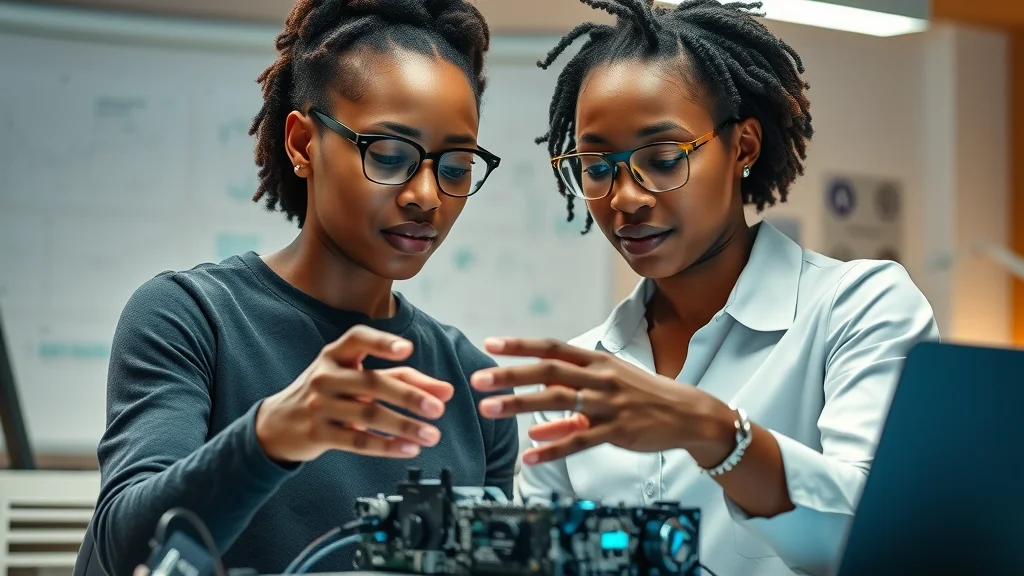
Table: Comparison of African-Led Applied AI Projects vs. Silicon Valley Model Startups |
||
Dimension |
African-Led Applied AI Projects |
Silicon Valley Model Startups |
|---|---|---|
Problem Focus |
Local issues (health, food security, language, education) |
Scalable global services (social media, SaaS, consumer tech) |
Funding Sources |
Local grants, government, grassroots innovation, partnerships |
Venture capital, angel investors, accelerator programs |
Product Design |
Context-driven, affordable, user-centered |
Growth-driven, network effects, revenue models |
Team Composition |
Women-led, multidisciplinary, community-integrated |
Male-dominated, engineer/marketer-centric |
Impact Assessment |
Societal outcomes, access and equity |
Valuation, user acquisition, short term returns |
Venture Capital and Funding: Systemic Challenges—and Opportunities—for African Women in AI Startups
Creative Approaches to Resource Gaps in the Tech Ecosystem
Funding remains a daunting challenge. With only a fraction of global venture capital reaching Africa, and even less women founders making it to final rounds, resourcefulness is a must. African women in AI startups are known for their creative, “make-do” approach: repurposing hardware, building open-source solutions, and collaborating across industries to fill technical and financial gaps.
Instead of relying solely on venture capital fund access, these founders collaborate with local governments, NGOs, and even informal networks. Crowdsourcing, community hacking, and cross-sector partnerships are thriving in places where traditional equity funds are absent. This approach allows new tech businesses to thrive amid adversity, often sparking innovative ways to circumvent traditional barriers and foster long-term sustainability in the local tech sector.

Building Sustainable AI Startups Outside the Venture Capital Playbook
African AI startups led by women frequently challenge the dominant business model, one that sees success as a billion-dollar exit and exponential user growth. Instead, these companies often measure value through social returns, long-term impact, and resilience to shocks, such as political instability or supply chain disruptions. Models such as cooperative ownership, hybrid grant-commercial entities, and reinvestment into local education represent how African startups are defining what it means to be truly sustainable.
In this context, survival and success are intertwined, and every challenge is met with a solutions mindset. As one leading founder put it: "We are not just recipients of global tech, African women are AI architects, drawing blueprints for the continent’s future. " By operating outside the venture capital spotlight, these women-led startups often become more embedded in their communities, less affected by the short-term whims of international capital markets, and better able to serve the realities of users outside traditional tech hubs.
Spotlighting African AI Startups Led by Women: Case Studies from Across the Continent
Healthcare problem-solving: Bridging data gaps through machine learning, a Ghanaian-led startup is using AI to predict disease outbreaks and allocate resources more efficiently. Their project has received support through local governments and medical facilities, showing the advantages of aligning with public institutions rather than just vying for Silicon Valley–style funding rounds.
-

Language and generative AI for indigenous languages: In Tanzania, female founders are building generative AI models that translate school curriculum material into Kiswahili, Amharic, and Yoruba, bridging digital divides the global tech industry often overlooks.
AI-powered agriculture for local food systems: In Kenya and Nigeria, women engineers have launched platforms that use AI to track crop diseases and advise on irrigation in local contexts, enabling smallholder farmers to increase yields and food security despite climate volatility.
-

Education tech tackling access and equity: A social enterprise in Senegal develops an AI-powered adaptive learning tool, personalizing content for learners facing infrastructure challenges, work that goes beyond copying Silicon Valley edtech and focuses deeply on the hurdles of African classrooms.
Dynamic highlight reel of African women AI leaders, insightful interviews, team collaboration, startup offices, community tech workshops, from across the continent, emphasizing confidence, innovation, and impact.
Lessons from the Field: Insights from Generative AI Researchers in Africa
One persistent message echoes through interviews with women AI researchers: true innovation happens away from the spotlight. Whether in small towns, remote labs, or informal meetups in city cafes, these women recount how collaboration, a willingness to learn, and perseverance create applied AI startups that serve their communities in authentic ways. Their advice to young adults: “Look for a real problem to solve, not just a trending app to build. ”
From language preservation to confronting climate impacts, their lessons ring clear: apply artificial intelligence with empathy, cultural precision, and a focus on outcomes measured by changed lives, not venture valuations.
People Also Ask: Where Are the Centers of AI Innovation in Africa?
What are the major hubs for AI research and tech startups in Africa?
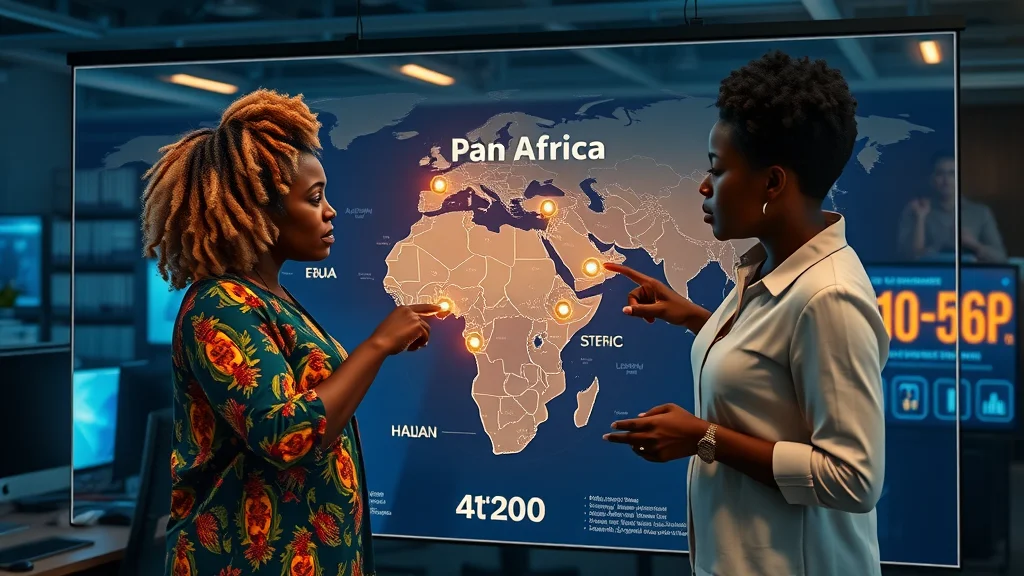
Africa’s leading AI and tech startup hubs include Lagos, Nairobi, Cape Town, Accra, Kigali, and Johannesburg. These cities feature robust tech hubs, research universities, accelerators, and a growing density of women-led tech initiatives. Each location cultivates its own brand of innovation, often blending grassroots resourcefulness with cutting-edge artificial intelligence research relevant to local and continental challenges. Unlike the centralized clusters seen in Silicon Valley or the United States, Africa’s hubs are more networked, diverse, and driven by social impact as well as market potential.

Which African women are pioneering generative AI applications for local problems?
Innovators such as Nneile Nkholise (MedTech/Agritech, South Africa), Angela Oduor Lungati (Ushahidi, Kenya), and Abdigani Diriye’s mentees (IBM Research Africa) are among several African women leading generative AI initiatives. By applying AI to urgent issues like language translation, crop optimization, and epidemic response, these women design solutions that fit Africa’s unique realities—offering more than just “Silicon Valley clones” but authentic, homegrown AI systems.
How do African AI startups differ from Silicon Valley clones?
African AI startups, especially those led by women, rarely prioritize rapid scaling or big capital raises. Instead, they value sustainability, societal good, and measurable local impact. These ventures are deeply community-based, often co-created with users, and optimized for environments where bandwidth, infrastructure, and purchasing power vary significantly from traditional Silicon Valley models. The result is a sector where resilience and adaptability count more than “unicorn” status.
In what ways is the African tech ecosystem unique for women working in AI?
Africa’s tech ecosystem offers both hurdles and unique advantages for women innovators: mentorship networks and nonprofit partnerships are more accessible; the imperative to innovate with fewer resources breeds creative approaches; and societal respect for technology’s transformative role can empower women in ways not always possible in Western tech industry. Yet, systemic biases and funding gaps persist, requiring even greater determination to break through.
FAQs: The Evolution of Tech Ecosystems and Generative AI in Africa
How do local problem-solving approaches influence AI innovation in Africa?
Most African AI projects begin with a real-world challenge, be it healthcare delivery, drought management, or teaching children to read in mother tongues. This direct, needs-first orientation ensures that AI startups and research projects remain relevant and impactful. By rooting technology in context, African women technologists are developing solutions that outperform one-size-fits-all software imported from elsewhere, and move the narrative away from Silicon Valley clones and into local problem-solving.
What are the current limitations and opportunities for women in African AI startups?
While funding and access to global markets remain limited, African women in AI are finding innovative ways to succeed: local government support, open-source communities, entrepreneurship training, and peer-to-peer mentorship. Systemic barriers persist, but every year brings greater visibility and support for women shaping the continent’s tech sector—proving that lasting change is driven from within, not just by external investment.
Key Takeaways: Moving the AI Narrative Forward with African Women at the Helm
African women are already leading transformative AI projects in real-world sectors.
The focus on local problem-solving moves the narrative away from imported Silicon Valley models.
Venture capital may lag behind, but innovative, sustainable models thrive in African tech ecosystems.
Conclusion: Building the Future of AI, Not Where You’re Looking
The future of AI is being shaped, not in imitation of global tech giants, but through the daily, determined work of African women who combine resourcefulness, creativity, and community-rooted leadership.
Featuring personal reflections and forward-looking aspirations of Africa’s trailblazing women in AI, insights in their own voices, in their own contexts.


Write A Comment