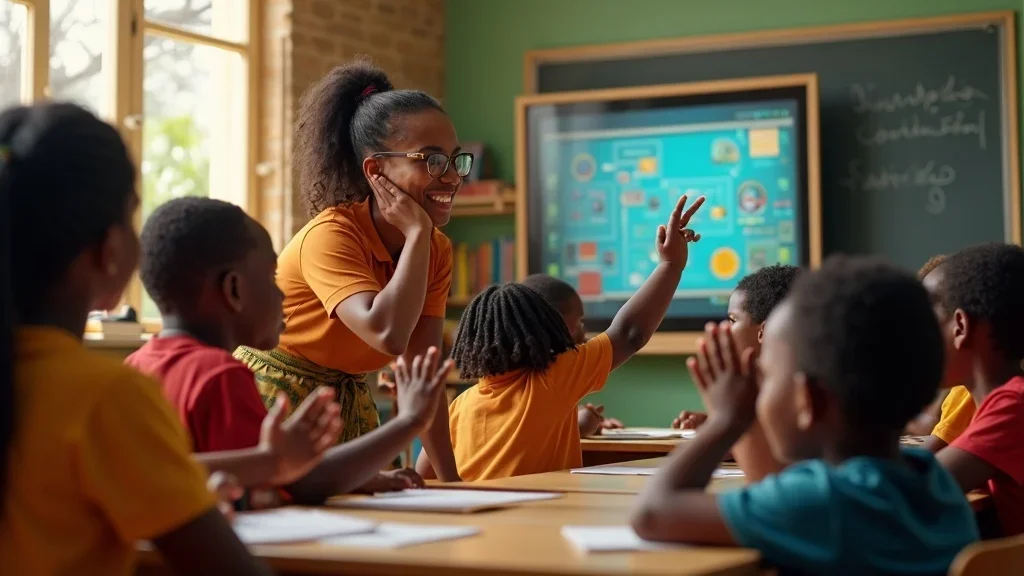
Did you know? In 2024, over 60% of African private primary and secondary schools surveyed named AI literacy as critical for the next decade, far outpacing global averages, and with women leading nearly half of professional development initiatives in the field. Instead of frames rooted in fear, schools in Africa are redefining artificial intelligence as a literacy core to Africa’s own educational vision, not a threat to be managed. This article explores how AI is perfect for private primary and secondary schools, explaining AI as literacy, not replacement, and foregrounding African educators, especially women, as the architects of this new era.What You’ll Learn:Why AI literacy is essential, not a threat, in African private school educationHow women educators and leaders are building Africa’s AI futurePractical approaches to professional development for secondary teachers and administratorsThe real role of AI tools in educational ecosystemsCase studies showing AI as literacy, not as a replacement for human teachingA New Era of Education: Why AI Literacy Matters in African SchoolsAI is rewriting the story of education in Africa, not by outsourcing teaching, but by defining new literacies tuned to the needs, cultures, and ambitions of African students. In classrooms across Nairobi, Lagos, Accra, and Cape Town, the use of AI is guided by the principle that technological fluency is as vital as literacy and numeracy.Why is this shift so important? As artificial intelligence transforms work, communication, and even play, African educators are refusing to be passive consumers of imported technologies. Instead, they are equipping students, and themselves, with the skills to shape, critique, and use AI tools confidently. This proactive stance is especially evident in private schools, where the integration of AI literacy into the curriculum is not an add-on, but a strategic move to future-proof African talent and leadership. This context-specific approach supports every child’s right to an education system relevant to the economy and society they’ll inherit.“Africa is not waiting to be told what to do with AI—we are building, training, and leading on our terms.” – Dr. Nneka M., AI educator, NigeriaStartling Statistics: African Educators Redefining Artificial Intelligence in the ClassroomOver 60% of African primary and secondary schools surveyed see AI literacy as critical for the next decadeNearly 50% of new professional development workshops led by African women focus on using AI in lesson planning and learningContext from Africa: Integrating AI Literacy in Private School CurriculaOn the ground, Africa’s private school educators are developing dynamic AI literacy programmes—blending culturally relevant content, local language innovation, and hands-on interaction with AI tools. Unlike many public education systems still mired in debate, African private schools are moving “AI readiness” from buzzword to everyday reality.These efforts aren’t only about adopting imported platforms; they’re about contextualising AI use so it aligns with communal values, language diversity, and the African learner’s experience. This context-rich approach ensures that secondary teachers and students see AI as a tool for empowerment and agency, not as a distant, impersonal system.For a closer look at how these educational shifts are being reported and discussed across the continent, you can explore the latest updates and in-depth stories on Africa Frontline Media, which frequently covers the intersection of technology and education in African schools.Perfect for Private Primary and Secondary Schools: AI Literacy as EmpowermentIn private primary and secondary schools, AI as literacy means elevating critical thinking, creativity, and collaboration—skills that automation cannot replace. From generative AI language tools for creative writing to adaptive platforms for maths, students gain hands-on experience that builds both confidence and fluency in digital technologies.These schools deliberately centre educator agency: teachers introduce AI-powered activities but maintain authority over lesson design and classroom culture. Rather than passive “users,” learners become co-creators, actively questioning how AI works, what data it uses, and what values it encodes. This is especially powerful in linguistically diverse settings, where educators innovate with local-language AI models to bridge traditional and emerging literacies.Using AI Tools: Success Stories from African ClassroomsAcross Africa, schools are piloting homegrown solutions and locally adapted platforms. In Ghana, digital assessment generators allow teachers to design formative quizzes in Twi, Hausa, and Ewe. Kenyan secondary schools employ AI platforms for debate preparation and science projects, lending structure to project-based learning while allowing student curiosity to guide research.Crucially, AI tools support but do not dictate the pace or nature of learning. Teachers report higher classroom engagement and inclusivity, especially among girls, when professional development includes explicit support for gender-responsive teaching and local content integration.Case Study: Innovative Use of Generative AI Tools in Nairobi and LagosIn Nairobi’s Greenfields Academy, science teachers use a Swahili-friendly AI tool to build student science vocabularies—then challenge students to design their own digital experiments. In Lagos, Queen’s Private School piloted a generative AI essay app: students wrote and edited texts collaboratively, learning both digital critique and peer feedback. These case studies show the African pivot toward AI as literacy: teachers guide use, students practice critique, and everyone engages as builders, not just consumers.Professional Development for Secondary Teachers: Strategies for African EducatorsAI tool workshops across Rwanda, Kenya, and South AfricaOngoing training networks led by women researchers and administratorsCapacity-building is central to Africa’s educational AI story. In Rwanda, secondary school teacher networks partner with EdTech startups, hosting monthly workshops on AI literacy and digital ethics. South African women researchers lead mentorship schemes pairing experienced teachers with new adopters, building peer confidence and demystifying emerging technologies.This emphasis on professional development ensures educators remain at the centre, able to use AI dynamically and respond to evolving classroom needs. The goal is not just digital competency, but pedagogical leadership—embedding ethical, community-rooted approaches in every step.Why This Matters: AI as Literacy, Not Teacher Replacement in African ContextsComparison of AI Use in Curriculum: AI as Literacy vs. AI as ReplacementEducation ApproachStudent EngagementTeacher RoleSkill DevelopmentAI as LiteracyActive LearningEnhancedCritical ThinkingAI as ReplacementPassive LearningReducedAutomation BiasAfrican educators consistently highlight this distinction: AI is a tool, not a teacher. In African private schools, AI enhances rather than supplants the teacher’s role. The design of training programmes, resource allocations, and curriculum review processes all reflect this priority. The result? Students grow as informed citizens, able to question, critique and contribute—skills essential to a digital future grounded in African values and realities.Addressing Concerns: Will Primary School Teachers Be Replaced by AI?Answer: In African private schools, AI is being positioned as a tool for supporting—not replacing—educators. Professional development programs emphasise the irreplaceable skills of teachers, especially in building community, mentoring, and context-specific problem-solving.What is the 30% Rule for AI in Education?Answer: The 30% Rule is cited by curriculum designers as a guideline—up to 30% of instructional time can involve AI assistance, but never at the cost of teacher-led experiences. African educators are adapting this rule through context-aware, culturally relevant applications.Which Private School Replaces Teachers with AI?Answer: No leading private African school fully replaces teachers with AI. Global examples remain rare and controversial. Instead, the continent is developing hybrid models underpinned by educator leadership, especially among women.Why Should AI Not Replace Teachers? African PerspectivesAnswer: African perspectives highlight that the use of AI must complement human insight, local context, and socio-cultural knowledge that teachers provide, which AI cannot replicate.Women’s Role: African Women Leading AI Literacy and Professional DevelopmentAfrican women serve as mentors, researchers, heads of department, and EdTech startup founders. They are architects of AI policy, curriculum, and classroom praxis—shaping tools, training, and local application. In most countries, women now lead professional development in AI for education, influencing everything from ethical guidelines to user interface design.This leadership pipeline is built through collaborative practice: teacher-to-teacher training networks, regional research conferences, and shared digital platforms. As a result, African secondary teachers—especially in private schools—benefit from mentorship, peer feedback, and a sustained focus on gender-responsive innovation.Building the Pipeline: From Research to Classroom PraxisWomen as headteachers and trainers in AI professional developmentAfrican-led initiatives for AI ethics in school environments“Our continent’s diversity is our strength—African women are essential architects of education technology policy and its classroom impact.” – Sarah Kosgei, Kenyan EdTech leaderApplied Impact: Generative AI Tools Customised for African EducationMany AI solutions in Africa are homegrown: built by African developers in partnership with teachers, reflecting the continent’s incredible linguistic and cultural diversity. Generative AI platforms are tailored to local curriculum, producing learning materials in Swahili, Zulu, Arabic, and more. Context-specific AI tools provide assessments, feedback, and personalised learning journeys designed to reflect African realities—not generic global templates.AI Tools Designed by and for African EducatorsLocal-language tutoring botsContext-specific assessment generatorsAdaptive learning platforms with African literacy contentProfessional Development: Training the Next Generation of Secondary TeachersOngoing AI tool certification in Ghana, Ethiopia, and MoroccoCollaboration with African universities for scalable teacher trainingPartnerships with universities and EdTech incubators are scaling up sustainable training strategies. Certification programmes and hands-on workshops ensure secondary teachers are equipped to guide their students through practical and ethical AI use.The Use of AI in Private Schools: Lessons from Within AfricaPartnership models between private schools and AI startupsAI use for administration, teaching support, and inclusive educationAcross the continent, AI is used to streamline administrative tasks, design inclusive lesson plans, and extend learning opportunities to students with disabilities. Through local partnerships, schools shape these tools to uplift—not substitute—human teaching.Broader Implication: Positioning Africa in Global AI TrendsFrom New York City to Nairobi: How African Private Schools Shape Their Own AI Literacy PathWhile international developments in AI literacy—from New York City to Bangalore—often dominate news cycles, African schools are not mimics. Instead, they’re positioning themselves as innovators in the applied impact of AI in education, developing hybrid curricula, community-informed ethical frameworks, and leadership pathways that cross borders yet remain distinctly African in content and intent. The result is a two-way flow: African ideas influence international discourse, while local experience shapes what works best here, on the continent.AI Use in African Education: Moving Beyond Western NarrativesAfrica’s educational AI story is not about “catching up”—it’s about shaping paths that put community, context, and culture first. The best examples come from within: Nairobi’s collaborative robotics clubs, Lagos’s teacher-led coding sprints, and Johannesburg’s digital inclusion initiatives all demonstrate how AI tools are being woven into African education systems for relevance and resilience.Forward View: What to Watch in African Private School AI DevelopmentTrends Shaping AI Literacy and the Professional Development of Secondary TeachersGrowth in women-led EdTech startupsNew AI curricula embedded in private school standardsTeacher exchange and mentorship programs using AILooking ahead, expect women-led innovation, teacher-centred AI adoption, and a sustained focus on ethical review and cultural fit to define Africa’s path. Curriculum standards continue to evolve, embedding AI as literacy from the earliest grades. International partnerships enrich experience, but African actors—schools, parents, teachers—are setting the agenda.Lists: Key Considerations for Incorporating AI Literacy in Private Primary and Secondary SchoolsCenter AI as a literacy, not a replacement, in teacher trainingInvest in professional development with a gender-inclusive approachPrioritise African-owned, context-driven AI toolsInvolve community and parent voices in policyEnsure continual ethical review of AI use in educationPeople Also Ask: Essential Questions for African Private Schools Using AIWill primary school teachers be replaced by AI?No, in African private schools, AI supports teaching—not substitutes it. Teachers remain central to children’s formative learning experiences due to their deep understanding of local culture and holistic student development.What is the 30% rule for AI?The 30% rule suggests that up to 30% of classroom time may involve AI, but never replaces teacher-led learning. African schools adapt this principle based on their unique contexts and priorities.Which private school replaces teachers with AI?Leading African private schools do not replace teachers with AI; instead, they use AI tools to enhance learning while maintaining strong teacher authority.Why should AI not replace teachers?Because teachers provide mentorship, cultural resonance, and socio-emotional support—dimensions that AI cannot replicate, as evidenced in leading African schools.Frequently Asked Questions: AI Use, Literacy, and Private School Implementation in AfricaHow are African private schools equipping secondary teachers with AI skills?African private schools invest in sustained professional development programmes for secondary teachers. These include ongoing workshops, peer mentorship networks (often led by women educators), and collaborative partnerships with local universities and EdTech firms. Teachers engage directly with locally relevant AI tools and ethical guidelines designed for the African context.What do African parents think about AI literacy for their children?Most African parents support integrating AI literacy into school curricula—provided that teachers remain central and that AI use is transparent, safe, and context-appropriate. They value the skills of critical thinking, local language fluency, and digital autonomy, which AI-integrated lessons help foster in their children.What challenges exist when using AI tools in African school environments?Common challenges include uneven internet access, limited funding for technology upgrades, diverse language needs, and the necessity for ongoing professional development. However, these are increasingly being addressed through innovative pilot projects, public-private partnerships, and the amplification of educator leadership across regions.How do African-led AI initiatives differ from international models?African-led AI in education focuses on context first: language adaptation, cultural relevance, and ethical frameworks rooted in African community values. Global models often emphasise automation or standardisation, whereas African schools prioritise human development, inclusiveness, and local capacity building.Key Takeaways: AI as a Literacy Essential—Not a Replacement—in African Private SchoolsAI literacy is being integrated as a core skill, not a threat, in African private primary and secondary schoolsWomen are leading innovation and professional development in AI educationProfessional development and local tool design are essential to context-appropriate adoptionAI use in African education amplifies teacher impact, but does not replace themOngoing dialogue and ethical reflection are central for future successConclusion: Shaping the Future with Purposeful, African-Driven AI LiteracyA Path Forward: Collaboration, Inclusion, and Integrity in African AI Education“African schools are not just participating—they are redefining the role of AI in global education for the next generation.” – Professor Linda M., South African EdTech scholarIn summary, African private schools—led by passionate educators, especially women—are transforming AI from a source of anxiety into a toolkit for empowerment, curiosity, and global contribution. AI is not here to replace the teacher, but to amplify the richness of African education systems and every child’s unique journey.If you’re inspired by the innovative ways African schools are integrating AI, there’s a wealth of broader context and breaking news to explore. Africa Frontline Media offers a panoramic view of the continent’s most pressing developments, from education and technology to social change and policy. Delving into their coverage can help you connect the dots between classroom innovation and the wider forces shaping Africa’s future. For those seeking to stay ahead of the curve and understand the strategic landscape, Africa Frontline Media is an essential resource for insight and next-level analysis.A dynamic documentary-style segment: African women educators sharing firsthand experiences, classroom clips of AI lessons, training sessions, and interviews about leading AI integration in private schools. Focus on empowerment, innovation, and collaboration. (Motion video, not stills)👉 Share this with educators shaping tomorrow’s curriculum.SourcesUNESCO – AI Literacy in African Education – https://www.unesco.org/en/articles/ai-literacy-african-educationAfrican EdTech Network: Women in EdTech – https://african-edtech.org/women-in-edtechTechStream/Brookings: AI in African Schools – https://www.brookings.edu/techstream/ai-in-african-schools/AfricaNews – AI in Private Schools, Case Studies – https://africanews.com/2023/ai-private-schools-case-studiesIntegrating artificial intelligence (AI) into African private primary and secondary schools is increasingly recognized as essential for preparing students for the future. The article “Coding is no longer enough: Why Africa needs AI literacy in every school” emphasizes the urgency of incorporating AI literacy into curricula to equip students with critical skills for the evolving job market. (adomonline. com) Similarly, the UNESCO article “The cultural cost of AI in Africa’s education systems” highlights the importance of developing AI tools that respect and integrate indigenous values, ensuring that technology enhances rather than erodes local cultures. (unesco. org) For educators seeking to implement AI literacy programs that empower students without replacing traditional teaching methods, these resources offer valuable insights and strategies.





Write A Comment