

Did you know? In Africa, students who receive early training in mathematics, logic, and hands-on problem-solving outperform their peers in real-world STEM fields, even before encountering artificial intelligence in the classroom. As global headlines trumpet the rise of AI, Africa is charting a different course, shaping its future from the ground up. This article explores how positions in math, logic, and curiosity are powering Africa’s unique STEM journey, why these foundations matter more than fleeting AI hype, and how women educators and students are at the heart of this new era.

A Startling Shift: Why Africa’s STEM Approach Begins with Foundations, Not Hype
Across the African continent, the discussion isn’t about how to “catch up” with global AI advances—it’s about setting the stage for a uniquely African wave of innovation. Education ministries, classroom teachers, and community-led initiatives are united behind a singular truth: Artificial intelligence must be rooted in core skills—mathematical logic, critical thinking, and curiosity—before any meaningful AI progress can flourish. Unlike models found elsewhere, the African approach makes foundational STEM exposure the priority, recognising how vital positions in math and logic are to future intellectual, economic, and societal health.
Why does this matter? Because, in many cases, flashy AI technologies and large language models promise to “replace human” intelligence or revolutionise entire fields—without delivering lasting benefits where foundational learning is weak. Instead, by investing early in thinking skills, spatial reasoning, and natural language understanding, African societies are building an enduring pipeline of innovators and researchers ready for the real world. And with women taking visible leadership roles in research, teaching, and mentorship, the continent is not just shaping talent—it’s shaping a new STEM narrative for everyone.
How positions in math, logic, and curiosity set the stage for meaningful STEM growth in Africa
Why artificial intelligence must be rooted in foundational skills
The real-world opportunities women are seizing across Africa’s STEM communities
Answers to pressing questions about mathematical logic, automated reasoning, and AI careers in Africa
Call to action for educators, students, and leaders to shape Africa’s AI future
“Africa is developing AI and STEM approaches on its own terms—by anchoring progress in math, logic, and the innate curiosity of its young minds.”
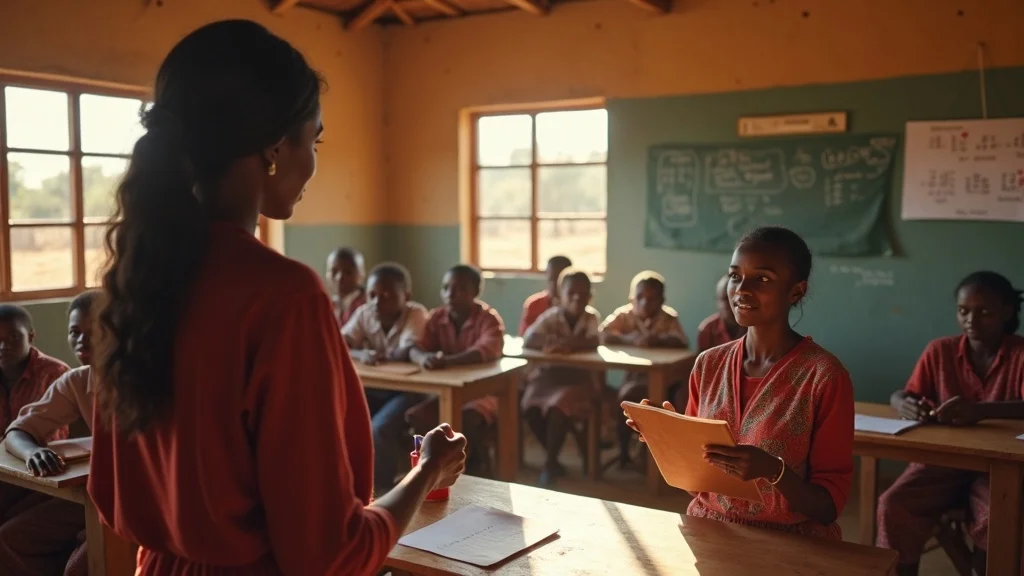
Ground Up: Africa's Context-Driven STEM Foundations
African classrooms—whether urban or rural, high-tech or under a tree—share an essential DNA: they make logic, reasoning, and hands-on curiosity the first priorities. This is not accidental; it reflects a deep awareness that AI systems and all modern computer science depend fundamentally on mathematical logic, spatial reasoning, and an inquisitive thinking process. Here, you’ll see students using local materials to demonstrate automated reasoning, educators encouraging “why” instead of just “what,” and curricula that embed problem-solving long before any mention of large language or AI technologies.
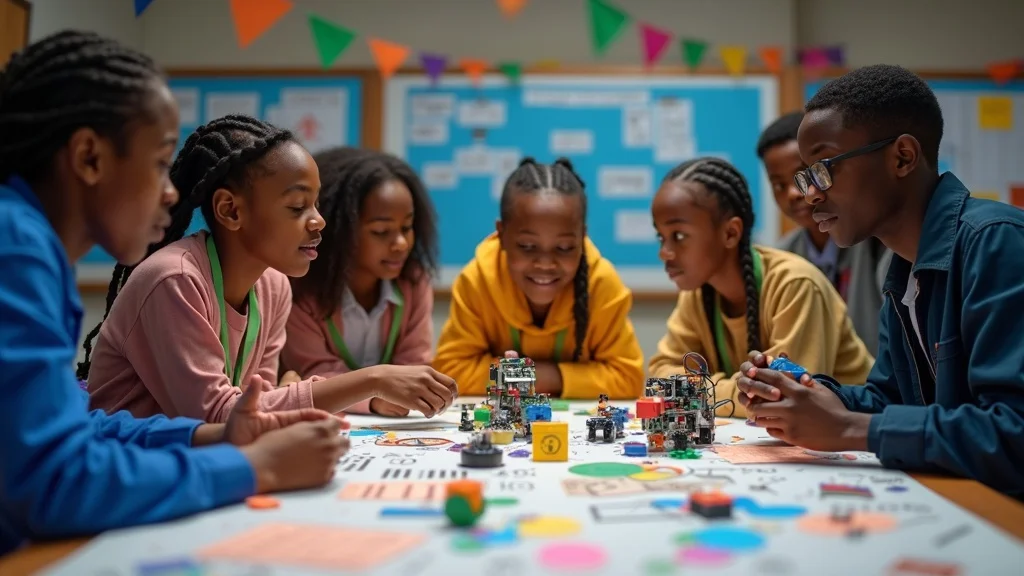
In cities like Nairobi, Lagos, and Dakar, one school may run robotics labs, while another might have students prove theorems with bottle caps and sticks—both focus on fostering critical thinking and positions of curiosity. The result? Learners grow up ready not just to use but to develop AI technologies suited to African environments. Mathematicians and software engineers are celebrated as builders, not just users, forming the vital bridge from early STEM interest to advanced AI research.
This emphasis on foundational skills is echoed in the way African educators approach technology integration, ensuring that students are equipped to adapt and innovate as new tools emerge. For a closer look at how these principles are being applied in real-time across the continent, explore the latest updates and in-depth coverage on Africa Frontline Media, where frontline stories highlight the intersection of education, technology, and community impact.
Mathematical Logic and Automated Reasoning: The African Perspective
How mathematical logic, critical thinking, and spatial reasoning intersect in African classrooms
Emphasis on mathematical logic as a driver for critical thinking
Teaching practices that foster automated reasoning and natural language understanding
Role of spatial reasoning in developing AI skills
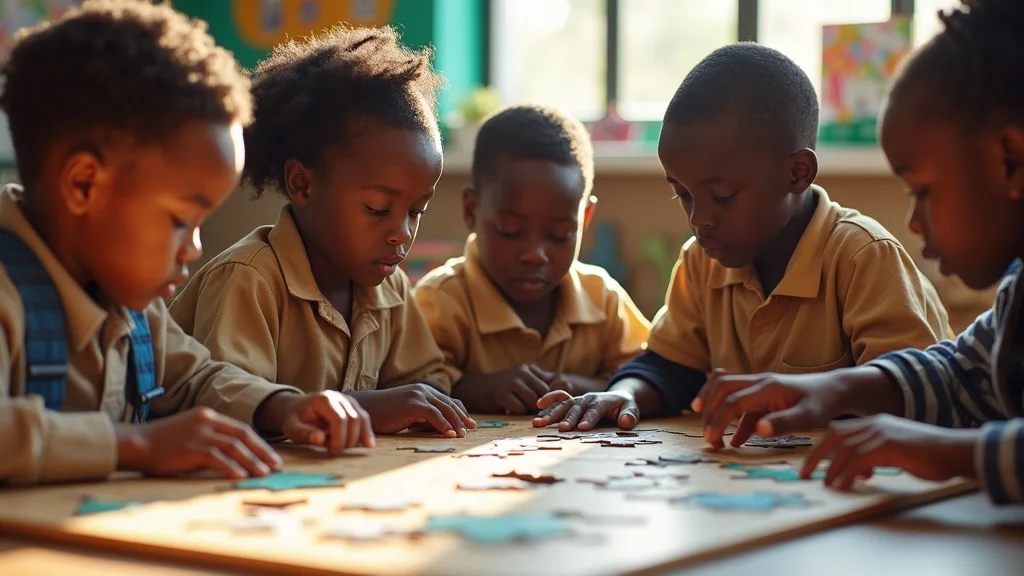
Teachers across Africa are blending mathematical logic with real-life reasoning. Before tackling computer science or AI systems, students break down problems, spot patterns, and collaborate on logic games that spark curiosity. Critical thinking isn’t squeezed into a single subject, but is woven into everything—from solving search problems in a computer lab, to mapping out strategies with bottle caps on a dusty floor.
This method produces measurable results: higher problem-solving capacity, deeper understanding of automated reasoning (the backbone of artificial intelligence), and improved ability to master natural language for software engineering or AI research later. In many cases, these classrooms are led by women—ensuring that education is collaborative, context-relevant, and tuned to a real world where technology is a tool, not an end.
“In my Lagos classroom, curiosity comes first. Before AI, my students learn to ask 'why' and 'how,' not just 'what.'” — Abeni, maths teacher and STEM mentor
Comparison: Early STEM Exposure vs. AI-Focused Education in Africa |
||
Aspect |
Early STEM Foundations |
AI-Focused Only |
|---|---|---|
Core Skills |
Mathematical logic, critical thinking, spatial reasoning |
AI usage, coding, application focus |
Outcomes |
Adaptable thinkers, problem-solvers |
Users of existing technology |
Long-term Impact |
Lifelong learning, innovation-ready workforce |
Immediate productivity, limited adaptability |
Role of Curiosity |
Central—promoted through inquiry-based learning |
Peripheral—often overlooked for practical skills |
Why Positions in Math, Logic, Curiosity Are Foundations for Africa’s AI Aspirations
In Africa, positions in math, logic, and curiosity aren’t abstract ideals—they are the foundational tools with which the next generation will create continent-specific AI solutions. AI comes later, always as a natural outgrowth of these skills. Whether in bustling cities or quiet villages, educators and students engage with critical thinking and spatial reasoning as daily practice, not theoretical extras.
This approach addresses a core challenge: without early investment in critical thinking, AI education risks becoming a form of digital consumption rather than active creation. School initiatives—from mother-tongue logic clubs in Kenya to code-free reasoning games in Ghana—prove that a curiosity-driven, critical thinking culture produces adaptable, resilient, and creative future leaders, many of whom become researchers in AI and related fields.
Critical Thinking as the Bridge Between STEM and Artificial Intelligence
Why fostering curiosity can counter AI hype with competence
Role of critical thinking, mathematical logic, and natural language in building a lifelong learning attitude
Examples of school initiatives advancing foundational critical thinking
Curiosity is more than a buzzword in African STEM education: it’s the bridge from basic mathematical concepts to world-class artificial intelligence problem-solving. By motivating students to ask “why” before reaching for a solution, teachers strengthen critical thinking and logic and reasoning skills essential for building and understanding AI systems. Recent work by grassroots educators shows that children who excel at spatial reasoning and natural language puzzles become the most successful at tackling search problems and coding challenges later on.
Schools are building this pipeline through practical activities. In Uganda, after-school clubs encourage mathematical logic through playful debates, demonstrating the value of “positions” as building blocks rather than endpoints. The result: students see themselves as future creators in computer science and artificial intelligence, not passive users of imported technology.
Natural Language and Automated Reasoning as Local Solutions
African STEM strategies recognise that natural language skills and automated reasoning power everything from daily communication to advanced AI research. Teachers use local expressions and indigenous logic to teach programming principles—a context-driven approach that helps students master both mathematics and the complexities of software engineering.
As large language models and conversational AI become part of the curriculum, grounding them in local languages ensures these tools serve African communities, not just mirror global trends. This “local first” approach lets students build AI solutions tuned to agricultural forecasting, healthcare, and language translation needs unique to Africa—a model that stands in contrast to “one size fits all” systems imported from abroad.
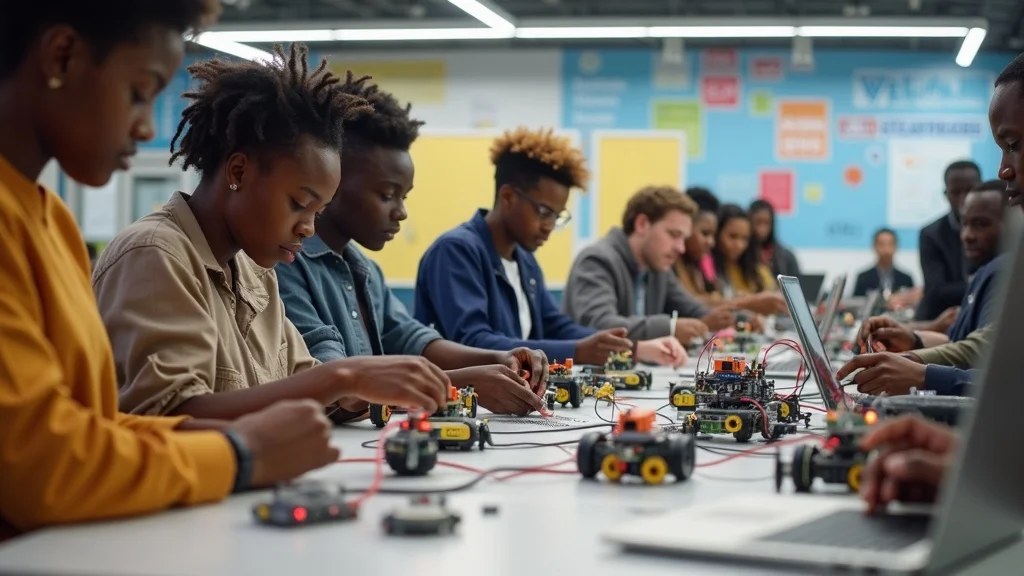
Watch: Interview: Women Educators Explain Why Early STEM Foundations Matter in Their Classrooms (Africa-centric)
Women Leading Africa’s Early STEM Revolution
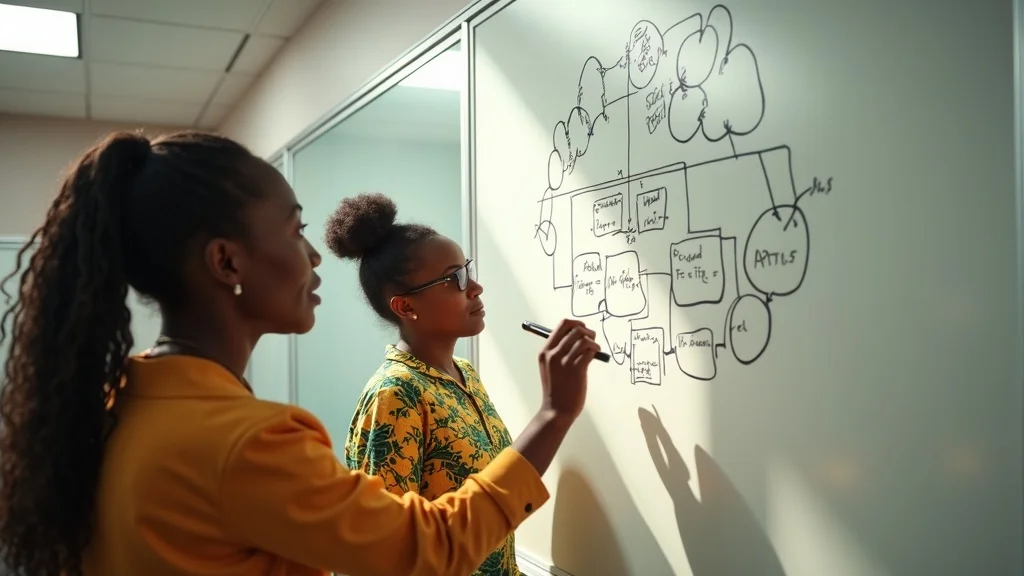
Across Africa, women are not just participants in the STEM field; they are the catalysts and architects of a movement that puts foundational skills first. As classroom teachers, university professors, engineers, and researchers, African women are building a robust pipeline from early curiosity to advanced artificial intelligence practice. Their visible leadership shifts the narrative from “overcoming barriers” to “setting the pace”—especially in advancing automated reasoning and mathematical logic for the next generation.
Initiatives such as the Women in STEM Africa forum and local mentorship programmes empower women to integrate spatial reasoning, logical thinking, and natural language skills at every stage of education. As a result, girls grow up seeing themselves not just as students, but as future software engineers, AI researchers, and leaders in computer science. This inclusive environment supports a richer, broader approach to STEM education—one that values each learner’s thinking process and real world experience.
Profiles: African Women Building the Pipeline from Curiosity to Artificial Intelligence
Women educators integrating critical thinking and spatial reasoning
Mathematical logic teaching leaders from Nairobi, Lagos, and Cape Town
AI researchers bridging automated reasoning, natural language, and African languages
From Nairobi to Lagos, women STEM educators are innovating by embedding mathematical logic and automated reasoning into their lessons—well before AI enters the conversation. In Cape Town, researchers are designing ai systems that translate indigenous languages, merging linguistic knowledge with core logic and reasoning skills. One such software engineer leads a team developing natural language tools specifically for rural communities, blending recent work in automated reasoning with practical needs at the grass roots.
Young girls see these women lead and realise that scientific curiosity and logical problem-solving are accessible to all—not exclusive to any gender or group. Women’s participation ensures that Africa’s future AI program is ethical, inclusive, and grounded in a tradition of collaborative critical thinking. These are the new architects of Africa’s educational, research, and technological ecosystem.
“When women lead the classroom, logic and curiosity thrive—AI only becomes powerful when built on these foundations.”

Country Momentum: Spotlight on Ghana, Kenya, and Senegal
Ghana’s teacher training for mathematical logic
Kenya’s community labs promoting spatial reasoning and critical thinking
Senegal’s women-founded AI clubs focused on curiosity before code
Ghana is taking the lead with national programmes to train primary teachers in mathematical logic and automated reasoning. In Kenya, “open STEM labs” help girls and boys alike strengthen spatial reasoning using local materials, fostering a grassroots approach to logic and reasoning. Meanwhile, in Senegal, women-founded AI clubs are flipping the script by prioritising inquiry and creative thought rather than rote coding.
These initiatives are more than case studies—they are engines fueling Africa’s STEM leap forward. Not only do they promote foundational skills at scale; they build networks across regions, connecting students to innovation hubs, policy-makers, and the global research community through context-driven learning rooted firmly in the African experience.

Watch: On-the-Ground Footage: STEM Workshops Led by African Women for Primary and Secondary Girls
Broader Implications: Mathematical Logic and Curiosity in the Age of Artificial Intelligence
The African approach to AI—rooted in mathematical logic, critical thinking, and the positions curiosity nurtures—is lighting a path different from the global hype cycles. Instead of focusing solely on AI “skills gaps” or global competition, Africa is producing context-specific, sustainable solutions that address local problems in language, agriculture, and education.
Consider the legacy of luminaries like John McCarthy and Alan Turing—giants in artificial intelligence and computer science. While their theories have global reach, African educators are converting these insights into practical, community-based reasoning projects and logic games. These innovations prove that applied impact, not imported models, will drive Africa’s AI ecosystem forward.
African Innovations: From Automated Reasoning to Localised AI Solutions
Examples of automated reasoning projects grounded in foundational math positions
How spatial reasoning is influencing AI for agriculture and education in Africa
John McCarthy’s legacy through an African lens
Recent work across Nigeria and Ethiopia spotlights how early STEM exposure generates real-world impact in automated reasoning and spatial reasoning. For example, local AI programs now help farmers optimise planting cycles; in South Africa, spatial logic underpins systems for translating technical terms into multiple African languages. Each breakthrough is anchored not in technology alone, but in the thinking skills and foundational training that start long before any code is written.
This is John McCarthy’s legacy applied: defining logic not just as a formal tool for computer science, but as a living, breathing part of African classrooms. As language models improve and AI research expands, it is Africa’s context-driven foundation that enables “new ideas” and solutions genuinely relevant to its people.
How Africa’s Approach Differs from Global AI Narratives
Africa as a developer of context-specific STEM and AI solutions
Avoiding the pitfall of adopting AI without foundational training
Rather than adopting imported AI technologies as “one size fits all,” Africa’s STEM ecosystem asks: “How does this fit our context? How does it serve real world needs?” This means patient investment in mathematical logic and reasoning, ensuring every AI system or program is adapted for practical local use, whether that’s natural language processing for mobile health clinics or automated reasoning in legal advice.
By prioritising foundations, Africa is setting new global standards—an approach that delivers much better educational and economic outcomes than mere technology importation. AI here is not about replacing mathematicians. It’s about amplifying human intelligence through lifelong curiosity, robust training, and a readiness to shape, not just consume, the technologies of tomorrow.
“Africa’s AI story isn’t about catching up—it’s about setting new standards anchored in foundational education.”
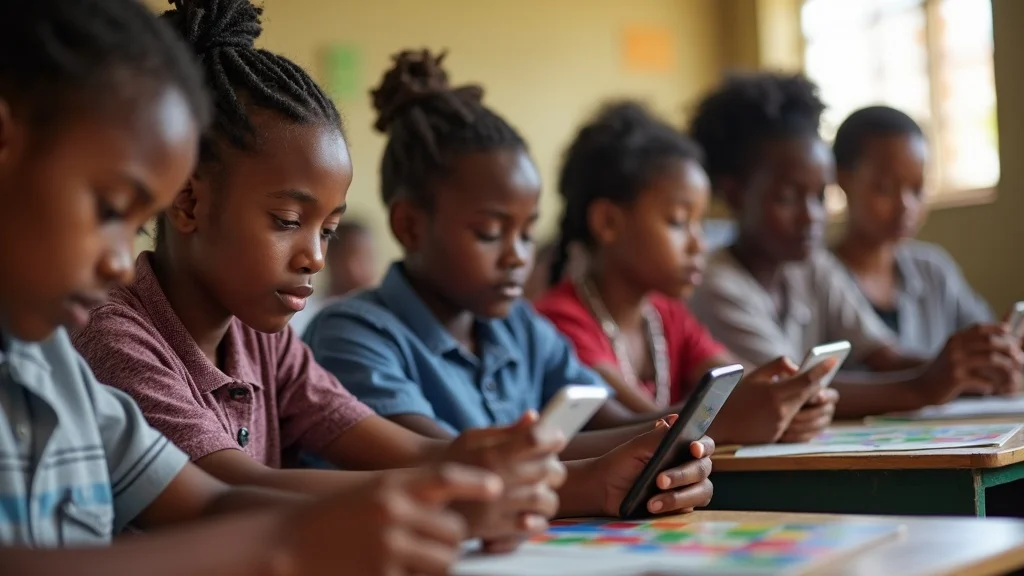
Forward View: What’s Next for Africa’s Early STEM Ecosystem
As Africa’s STEM and AI ecosystem matures, the priority remains: build robust pipelines of talent by grounding all progress in positions in math, logic, and curiosity. Universities and research labs are developing new curricula in automated reasoning, driven by the continent’s unique linguistic and social realities. Organisations like AI Nexus Africa champion early curiosity and critical thinking by bringing together women in AI research, education, and engineering.
These forward-thinking efforts demonstrate that lasting impact will not come from following trends, but from nurturing core thinking skills in every community. Where women are empowered to lead—from the boardroom to the smallest village classroom—the future of STEM and artificial intelligence remains bright, accessible, and authentically African.
Policy, Infrastructure, and Opportunities for Women in AI and STEM
Universities and labs developing automated reasoning curricula
AI Nexus Africa and similar groups championing early curiosity and critical thinking
Initiatives supporting women in research, engineering, and teaching roles
Across East, West, and Southern Africa, new university degree programmes and policy initiatives are taking shape specifically to expand automated reasoning and foundational STEM education. In Ethiopia, national education guidelines mandate that every primary classroom include spatial reasoning games. Meanwhile, AI Nexus Africa and similar networks convene women researchers and engineers to co-design curricula that foreground curiosity and critical thinking for the next generation.
Opportunities for women are growing, not just as educators but as leading voices in AI research, computer science policy, and entrepreneurship. These policies signal a broader shift: Africa’s AI future is owned by its own people, with women at the centre as builders and visionaries.
Watch: Documentary Short: Building the Next Generation of African Women Leaders in STEM
People Also Ask: Foundations of Logic and AI in an African Context
What is the foundation of AI in math?
In Africa, positions in math, logic, and curiosity are seen as the pillars upon which AI and related fields are constructed. Automated reasoning, mathematical logic, and spatial reasoning are particularly emphasised in early and secondary education across the continent.
What are the three modern roles for logic in AI?
Logic plays key roles in AI for automated reasoning, decision-making, and enabling natural language understanding. African academic programmes increasingly integrate these facets to equip students for developing localised AI solutions.
Is AI replacing mathematicians?
No. Across Africa, AI is complementing—not replacing—the expertise of mathematicians. Instead, it is emphasising the need for strong foundational knowledge in mathematical logic, critical thinking, and positions of curiosity.
Which AI skills are most in demand?
Foundation skills such as mathematical logic, critical thinking, and spatial reasoning are highly sought after, as they allow for adaptation in various AI contexts—from natural language processing to automated reasoning and beyond.
FAQs: Positions in Math, Logic, Curiosity as Foundations for Africa’s AI Future
Why does Africa prioritise foundational math and logic before advanced AI skills?
Because robust early skills in mathematics, logic, and critical thinking mean learners can create, adapt, and innovate with AI—not just use it. This ensures Africa’s STEM progress is sustainable, context-specific, and genuinely transformative.How does curiosity-driven education strengthen AI capacity?
Curiosity nurtures a mindset of lifelong learning and creative problem-solving, making students more resourceful, resilient, and able to contribute to real-world AI research and development in any sector.What resources are available for African girls and women to lead in STEM fields?
Programmes like AI Nexus Africa, Women in STEM Africa, and community-based STEM labs offer mentoring, scholarships, and practical resources for women at every stage of their STEM journey—from classrooms to computer science research labs.
STEM Foundation Skills: Impact on Different Sectors in Africa |
||
Sector |
STEM Foundation Skill |
Example of Impact |
|---|---|---|
Education |
Mathematical logic |
Improved problem-solving and critical analysis in classrooms |
Agriculture |
Automated reasoning |
Smart farming solutions using AI to predict weather and planting cycles |
Healthcare |
Natural language |
AI-powered translation tools for local African languages in medical contexts |
Education: Improved problem-solving through mathematical logic
Agriculture: Automated reasoning for smart farming
Healthcare: Natural language solutions for local languages

Key Takeaways: Prioritising Math, Logic, and Curiosity in Africa's STEM and AI Journey
Africa’s AI innovation is anchored in foundational skills, not imported hype
Women are essential leaders in shaping the future through early STEM exposure
Mathematical logic, curiosity, and critical thinking matter more now than ever for sustainable progress
Moving Forward With Purpose
Strengthening Africa's Future by Grounding AI in Core Foundations
“Let Africa’s AI rise from deep roots—math, logic, and curiosity—rather than shallow trends.”
👉 Join our newsletter for grounded conversations on AI and education in Africa.
By investing early in curiosity, mathematical logic, and critical thinking—Africa is not just preparing for the AI future; it is defining it.
If you’re inspired by Africa’s commitment to foundational STEM education and want to understand the broader forces shaping the continent’s future, there’s a wealth of ongoing analysis and frontline reporting available. Africa Frontline Media offers a panoramic view of how education, technology, and policy intersect to drive progress across diverse communities. Delve deeper into the stories and strategies that are redefining Africa’s role in the global innovation landscape by visiting their news and insights platform. Whether you’re an educator, policymaker, or lifelong learner, exploring these perspectives can help you stay ahead of the curve and discover new ways to support Africa’s next generation of STEM leaders.
Sources
UNESCO – https://www.unesco.org/en/articles/african-stem-education-initiatives
AI Nexus Africa – https://www.ainexusafrica.com/women-in-ai/
UNICEF – https://www.unicef.org/esa/stories/africa-education-digital-age/
Africanews – https://www.africanews.com/2023/05/25/ai-in-africa-context-and-opportunity/
In Africa, the emphasis on foundational skills in mathematics, logic, and curiosity is pivotal for sustainable STEM education and innovation. The World Bank’s AIM4Learning program aims to enhance learning outcomes in basic education across Eastern and Southern Africa, benefiting over 70 million children by focusing on foundational literacy and numeracy. (worldbank. org) Similarly, AI Literacy Africa is dedicated to bridging the AI knowledge gap by providing accessible education and practical skills, ensuring that learners build a strong base before advancing to complex technologies. (ailiteracyafrica. org) These initiatives underscore the importance of solid educational foundations as a prerequisite for meaningful engagement with artificial intelligence.



Write A Comment