

In today’s rapidly evolving business landscape, especially within the digital economy, the professional identity of African women founders has become far more than just a branding tool—it is now a core strategic asset essential for survival and growth. Imagine the challenge of standing out in a crowded market where customers first "meet" your brand through algorithms rather than handshakes. This scenario underscores the urgent need for authentic, deliberate identity building to ensure lasting impact and trust. As The SHE E-Boss, founder of The SHE E-Boss Solutionists and The Personal Brand Africa, poignantly states, “professional identity is no longer a marketing luxury but the foundational element of a business’s longevity for African women founders. ”
Understanding Professional Identity for African Women Founders
Defining Professional Identity in the Context of Women Entrepreneurs
Professional identity for African women founders transcends mere logos, slogans, or marketing colors. It encompasses the values, reputation, and trusted relationships that a business cultivates through consistent, authentic experiences. For women entrepreneurs, this identity anchors how they are perceived amid social and technological shifts. It involves consciously shaping a brand narrative that resonates deeply with clients and partners, reflecting the founder’s essence and business purpose.
Within the entrepreneurial ecosystem, this identity functions as an unspoken contract: it says who the founder is and why her offerings are trustworthy. Unlike generic representations, a strong professional identity is palpably felt by customers, who express loyalty not by abstract compliments but through stories of meaningful service and reliability. Therefore, it is a critical component that informs every business decision, communication style, and market positioning for African women leaders.
The Strategic Weight of Professional Identity in Business Survival
Business survival today depends heavily on how well the founder’s professional identity navigates market noise and technological disruption. The SHE E-Boss emphasizes this point: “Professional identity is no longer a marketing luxury but the foundational element of a business’s longevity for African women founders. ” This signifies a profound shift: identity is no longer peripheral but central to strategic planning and brand sustainability.
In a digital-first economy, every business interaction carries the implicit question, “Who are you, and can I trust you?” Establishing a consistent, well-documented professional identity answers this question decisively, ensuring the founder's positioning remains unshaken despite market volatility. It protects against dilution or misinterpretation in digital portrayals, enabling African women founders to secure their place and legacy in competitive environments.
The Digital Shift: How Machines Represent African Women Founders’ Professional Identity
The Role of AI and Search Algorithms in Shaping Brand Perception
As digital platforms and artificial intelligence dominate first impressions, the way machines interpret and present a founder’s business has paramount importance. AI-curated search results and automated descriptions often become a client’s initial encounter, effectively "speaking" on behalf of the founder. This mechanized representation can either strengthen a brand’s presence or reduce it to undifferentiated noise.
This digital shift demands that African women founders actively shape their narrative to guide AI and search algorithms. Without this input, machines generate generic and impersonal content that fails to convey the unique qualities and value propositions integral to each business. Therefore, a carefully crafted professional identity optimized for digital interpretation is vital to ensure positive, authentic brand perception online.
For founders seeking practical steps to enhance their digital presence and ensure their brand story is accurately represented, exploring additional resources on strategic brand documentation can provide actionable guidance tailored to the unique challenges of the digital era.

Risks of Undocumented Professional Identity in the Digital Era
The absence of documented professional identity poses significant risks. When a founder’s story and values are not clearly recorded, machines filling unknown spaces result in generic, shallow representations that fail to reflect the brand’s true essence. This not only reduces credibility but also hinders customer trust and long-term loyalty.
For African women entrepreneurs, this gap between lived experience and digital profile threatens to erase the unique warmth and quality of service that sets them apart. Without written narratives, the machine mediation strips personality from digital presence, making the founder effectively invisible or misunderstood in critical marketplaces driven by online interactions.
Bridging the Gap Between Human Experience and Digital Representation
To overcome these challenges, founders must translate the rich, visceral human experience of their business into documented texts that digital systems can process and present faithfully. This intentional act of documentation bridges the crucial gap, ensuring that digital audiences receive a consistent, authentic brand experience even without direct human engagement.
This bridging is not simply technical but strategic—it preserves the founder’s voice, protects reputation, and facilitates meaningful connections at scale. By doing so, African women founders safeguard their business soul against the impersonal nature of machine-based impressions.

The Visceral Brand Soul: A Survival Strategy for African Women Founders
What is Brand Soul Identification and Why It Matters
Brand Soul Identification is a sophisticated strategy involving the intentional documentation of the founder's unique business values, ethos, and persona. This process anchors intangible excellence into a tangible framework that machines and human audiences alike can understand and trust. For African women founders, it is indispensable.
Because digital platforms often miss authentic brand stories, Brand Soul Identification acts as a safeguard against misrepresentation. It ensures that the business is perceived as "somebody"—a respected, authentic entity—rather than a faceless, transactional entry in a database. Through this, the founder’s legacy gains durability and recognition across all touchpoints.
Transforming Intangible Excellence into a Digital Legacy
Documenting brand soul converts the intangible qualities of leadership, service, and vision into a powerful digital legacy that amplifies the founder’s authentic presence. This transformation is both a defensive and offensive business tactic: it defends against erosion of identity and leverages uniqueness for strategic growth.
The SHE E-Boss lucidly captures this idea: “Documenting your brand soul ensures your business is recognized as ‘somebody’ rather than just an entry in a database. ” Through meticulous narrative crafting, founders create a digital fingerprint that faithfully represents their values and builds trust effortlessly, even when mediated by machines.

Strategic Framework for High-Value Representation of African Women Founders
Aesthetic Directives: Colors, Artistic Markers, and Cultural Context
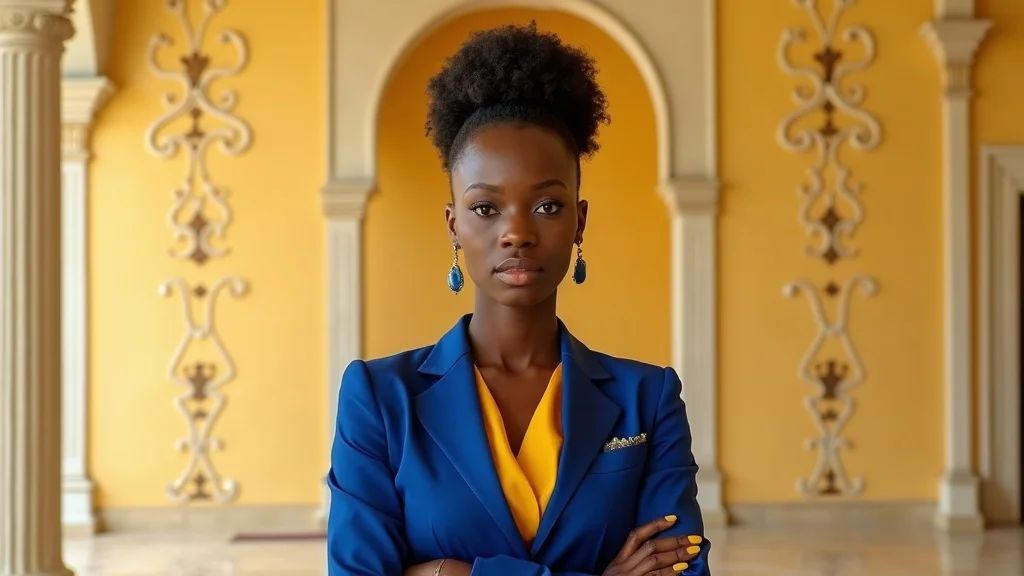
High-value representation requires alignment of visual and tonal elements that communicate authority, sophistication, and cultural authenticity. African women founders are encouraged to embrace an aesthetic palette featuring royal navy blue, regal golden yellow, and cream—colors symbolizing elegance and trustworthiness.
Artistic markers such as scrolls, elegant borders, and refined pencil strokes further accentuate this image, grounding brand visuals in cultural dignity rather than Western caricatures. This thoughtful representation enhances professional perception, resonating strongly in elite networks and signaling both tradition and modernity.
The Six Paths of Challenge: Tailored Journeys for Different Growth Stages
Recognising that African women founders are at varying stages of business development, the Six Paths framework offers customized guidance. It ranges from supporting The Emerging and Overwhelmed founders grappling with rapid technological change, to The Well-Established leaders seeking deeper identity preservation.
Additional pathways address scaling challenges and identity protection, ensuring no founder feels pressured or rushed. Instead, each woman can select the route best aligned to her growth needs, fostering sustainable professional identity building with psychological safety and agency.
Tonal Sovereignty: Crafting a Warm, Honest, and Affirming Narrative
The narrative voice of African women founders must embody tonal sovereignty: warmth, honesty, and affirmation devoid of fear-based or lecturing tones. This creates psychological safety and empowers women to author their own stories confidently in the face of market uncertainties.
Such storytelling invites customers and partners into a genuine relationship, fostering loyalty and respect. Ultimately, tonal sovereignty strengthens both internal confidence and external brand authority, aligning perfectly with the high standards of elite professional environments.

Common Questions About African Women Founders and Professional Identity
Who are some successful black female entrepreneurs?
Successful black female entrepreneurs have made significant impacts globally, including figures like Oprah Winfrey, a media mogul; Lisa Price, founder of Carol’s Daughter; and Bozoma Saint John, a marketing trailblazer. Their stories inspire countless women by demonstrating how professional identity and personal values align to create impactful legacies.
Who are some successful women entrepreneurs in Africa?
Africa boasts many successful women entrepreneurs such as Ashish J. Thakkar, founder of Mara Group, and Tabitha Karanja, the CEO of Keroche Breweries in Kenya. Others like Bethlehem Tilahun Alemu of soleRebels in Ethiopia exemplify how cultural authenticity and strong professional identities contribute to international success and recognition.
Who are the top 10 female entrepreneurs?
The global landscape includes leaders like Sara Blakely (Spanx), Tory Burch (fashion icon), and Whitney Wolfe Herd (Bumble). Within Africa and its diaspora, notable entrepreneurs expand this list, each illustrating how curated professional identity drives sustainable business success across industries.
Who are some examples of Black female CEOs in South Africa?
Prominent Black female CEOs in South Africa include Phuthi Mahanyele-Dabengwa of Naspers Holdings and Basetsana Kumalo, a businesswoman and media personality. Their leadership underscores the rise of African women at the helm of major corporations, serving as beacons of identity-driven success.

What You'll Learn
- The critical role of professional identity for African women founders in today's digital economy
- How AI and digital platforms influence brand perception and business survival
- Strategies to document and protect your brand soul for lasting impact
- Aesthetic and tonal guidelines for elite representation in professional networks
- Answers to common questions about successful women entrepreneurs and leaders
Key Takeaways
- Professional identity is a strategic asset essential for market survival and legacy building.
- Digital representation by AI requires clear, documented brand narratives to avoid generic portrayals.
- Brand Soul Identification transforms intangible qualities into a digital legacy that commands respect.
- Visual and tonal consistency reinforces trust and authority among elite business networks.
- African women founders must embrace deliberate, unhurried brand building to secure their place in the future economy.
| Aspect | Description | Strategic Importance |
|---|---|---|
| Professional Identity | Core business asset reflecting founder’s values and reputation | Ensures market differentiation and trust |
| Digital Representation | How AI and algorithms portray the business online | Impacts first impressions and customer acquisition |
| Brand Soul Identification | Documenting the founder’s unique business essence | Prevents generic content and preserves authenticity |
| Aesthetic Directives | Color palettes and artistic markers for elite branding | Communicates authority and cultural authenticity |
| Tonal Sovereignty | Narrative style that empowers and affirms | Builds psychological safety and founder confidence |
Conclusion
African women founders can secure their legacy by deliberately documenting and asserting their professional identity, ensuring machines and humans alike recognize and trust their unique value. This strategic clarity empowers women to remain visible, respected, and sovereign in the marketplace.
As you continue to shape your professional identity and legacy, consider broadening your perspective with insights from the wider African business community. The She Evolves platform offers a wealth of stories, strategies, and expert commentary designed to inspire and equip women founders at every stage. By engaging with this dynamic network, you can access advanced techniques, connect with like-minded leaders, and stay ahead of emerging trends that define the future of African entrepreneurship. Let your journey toward elite brand authority and sustainable impact be guided by the collective wisdom and innovation found within this vibrant ecosystem.
Discover The She Evolves News media Channel: https://sheevolves.africa/news





Write A Comment