

Did you know that Africa leads the world with over 60% of its population under 25, and that women are now at the epicentre of the continent’s surging technology and research landscape? Across Africa, women are not passengers in the education and STEM revolution—they are setting the pace. From designing biomedical AI algorithms in Nigerian labs to founding EdTech startups in Kenya, African women as researchers, engineers, educators, and founders are opening new frontiers in science, technology, and education. This article explores 23 remarkable advancements made by these trailblazers, capturing Africa’s innovation through the women at its heart—because the future of African education and development cannot be told without their voices, their code, and their vision.
Opening the Landscape: Startling Facts about African Women as Researchers, Engineers, Educators, and Founders
The role of African women as researchers, engineers, educators, and founders has shifted from the margins to the forefront of the continent’s transformation. Recent data shows a rapid rise in women pursuing advanced degrees and leading STEM (science, technology, engineering, and mathematics) initiatives in countries like South Africa, Nigeria, Kenya, Cameroon, and Egypt. Across the region, groundbreaking educational reforms and the establishment of women-led research centres have propelled female participation in STEM fields to new highs. However, while the momentum is clear, a side-by-side look at participation rates reveals ongoing disparities, underscoring the urgency—and opportunity—for even greater inclusion.
"Africa is home to over 60% of the world's youth — women are at the centre of shaping technology and knowledge economies on the continent." – Dr. Thandi Moyo, AI Policy Lead, South Africa
| Country | Female STEM Students (%) | Male STEM Students (%) | Notes |
|---|---|---|---|
| Cameroon | 32 | 68 | Emerging university partnerships for women in tech |
| Kenya | 35 | 65 | Growth in women-led tech hubs |
| South Africa | 40 | 60 | National funding for women in STEM |
| Nigeria | 29 | 71 | AI education initiatives expanding |
| Egypt | 34 | 66 | Prominent women in software engineering |

What You'll Learn: African Women as Researchers, Engineers, Educators, Founders in STEM and AI
- Key sectors where African women are driving change as researchers, engineers, and founders
- The role of education in empowering women in STEM across Africa
- How African-specific advancements in STEM and AI redefine global trends
- The impact of women in STEM on African economies and societies
1. The African Context: Education, Research, and Gender Dynamics
African women have long contributed to the continent’s science and education, but the 21st century marks an inflection point. Across Africa, major educational initiatives are centring women as builders of knowledge economies, with countries such as South Africa, Nigeria, and Kenya showcasing dynamic female leadership. In South African universities, women now head key research faculties and drive national curriculum reforms. Nigeria’s digital literacy campaigns, many led by women, are increasing opportunities for young girls and young women to enter software engineering and biomedical science. Kenyan EdTech startups founded by women are addressing local education gaps through culturally relevant curriculum development and digital learning solutions. Regionally, these initiatives challenge traditional narratives, showing that African women are not outliers but catalysts for systemic reform.
For a closer look at how these educational and technological shifts are being reported and discussed across the continent, you can explore the latest updates and in-depth features on Africa Frontline Media, which regularly highlights the evolving landscape of women in STEM and education in Africa.
Rethinking 21st Century Education in Africa: Centring Women and Regional Initiatives
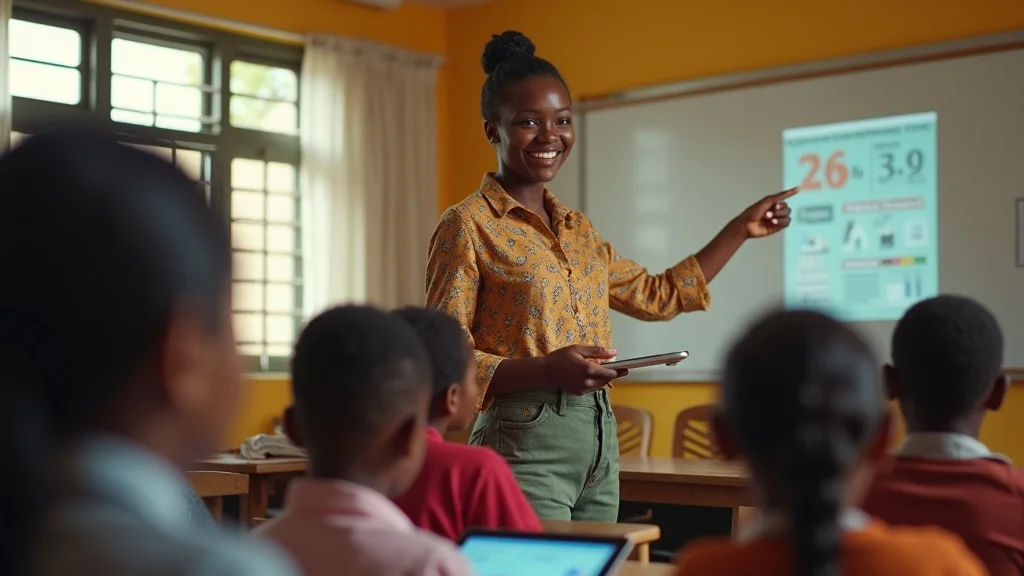
In 21st-century Africa, a renewed focus on education as a tool for economic transformation is inseparable from women’s participation. African women hold leadership roles in curriculum design, serve as deans of science and engineering faculties, and spearhead innovative community STEM programs. In Nigeria, the first woman to become Dean of the Faculty of Engineering at a leading university has transformed graduate outcomes by integrating AI and robotics into undergraduate education. Across Kenya and South Africa, university-run outreach programs—frequently designed by female scientists and engineers—promote computer science and software engineering to primary school-aged girls, sparking lifelong interest in technology careers. These actions reflect a pan-African momentum: female educators and researchers shaping the next generation of African talent, not as beneficiaries, but as architects of education reform.
- Role of African women in educational leadership
- Country highlights: South Africa, Nigeria, Kenya
- Innovative university and community programs led by women
2. Women in STEM: Defining the Knowledge Economy in Africa
Women in STEM are central to Africa’s economic and technological growth, not as participants, but as shapers of the knowledge economy. African women engineers are deploying solar energy in rural communities and developing aerospace engineering prototypes. In Nigeria and South Africa, female computer scientists and AI researchers drive local innovations, from AI-powered health diagnostics to machine learning models tailored to African languages. This leadership is not just changing what education looks like, but how STEM itself is being redefined by African realities and women’s expertise, advancing solutions rooted in Africa’s vast opportunities.
African Women as Engineers: From Solar Tech to Aerospace
Across the continent, the contribution of African women as engineers is remarkable, spanning solar energy, civil infrastructure, and even aerospace engineering. In Cameroon, the country’s first woman aerospace engineer is leading teams developing satellite components for local weather monitoring. South African female engineers are at the helm of renewable energy projects, bringing off-grid solar power to underserved regions and reducing reliance on imported technologies. Kenyan women excel in mechanical engineering, building local solutions for water management and agri-tech that are now studied globally. These stories correct old narratives: African women are not just joining STEM fields, they are pioneering new ones—designing with a keen eye on local relevance, sustainability, and long-term impact on communities throughout their careers.

Case Study: Female Scientists Building Local Solutions in Biomedical AI
African women in biomedical engineering and artificial intelligence are reshaping local healthcare. In Lagos, a pioneering female scientist led the development of AI software that analyses patient data to detect infectious outbreaks before they escalate—a solution now deployed in clinics across West Africa. In Cape Town, South African researchers, most notably a team led by an African-American biomedical engineer, have designed wearable health monitoring technology for remote rural communities. These female scientists exemplify the shift: leveraging science and computer engineering to build solutions that meet Africa’s unique health challenges, and in turn, setting new benchmarks adopted or studied globally. Their impact illustrates how African women are defining biomedical innovation for African and global audiences alike.

3. Research and Innovation: African Women as Trailblazers in STEM
Women-led innovations from Africa are reshaping research narratives both locally and worldwide. In nations such as South Africa and Nigeria, African women researchers are recognised as global thought leaders, publishing in top journals and managing cross-disciplinary teams. Their work is propelling advancements in chemical engineering, software design, and AI algorithms optimised for African data. Research centres led by women emphasise community impact—such as low-cost clean energy, agri-tech, and digital education—and train the continent’s next generation of female scientists. These trailblazers are making Africa’s research agenda relevant on the world stage, shaping local and international trends alike.
Pioneering African Women Researchers: Changing Regional Narratives
Throughout Africa, pioneering women researchers drive new narratives, combining rigorous science with an unrelenting local focus. Leading institutions in Ghana, Kenya, and South Africa have appointed female heads of research for projects spanning renewable energy, AI in agriculture, and sustainable water systems. Their influence spreads beyond academia: mentorship programmes launched by women have doubled the number of young women entering specialist research areas in several African countries. These African women as researchers are rewriting what it means to be a scientist in Africa—showing that excellence, leadership, and innovation are household values, not anomalies. Their transformative impact reverberates internationally, proving that African-led solutions are essential to solving some of the world’s toughest science and technology challenges.
Emergence of Women-Led Research Centres in South Africa and Beyond
South Africa's national focus on women in STEM has fostered the rise of women-led research hubs addressing both fundamental and applied science. From Pretoria’s Women in Science campus to advanced health informatics labs in Cape Town and cross-border research networks connecting Nigeria, Kenya, and Ghana, these centres are shaping Africa’s educational and innovation ecosystem. Leadership from African women ensures that research agendas speak to local realities—such as food security, access to clean water, and AI-driven education delivery—building a continental research identity that is self-determined and collaborative. The model is now being emulated by universities across Africa, positioning African women not merely as local contributors but as global exemplars of research excellence.
Watch: Documentary Short: Women Building AI in Africa’s Universities (featuring real moments in labs, female students, and professors embracing innovation).

4. Education Pathways: How African Women Excel as Educators and Mentors
Women in Africa’s education sector do far more than teach—they drive curriculum, mentor rising talent, and design digital pathways for the knowledge economy. Female education leaders across Cameroon, South Africa, and Egypt are responsible for integrating digital courses, artificial intelligence, and robotics into national school frameworks. They champion initiatives supporting young girls from rural and urban backgrounds, ensuring an inclusive STEM pipeline. As mentors, these women offer more than knowledge—they imbue confidence, break stereotypes, and catalyse ambition, directly influencing the next generation of African women in STEM.
Women in Curriculum Reform: Influencing 21st Century Learning
African women educational leaders are transforming what and how students learn. In Ghana and Nigeria, female scientists designed national robotics and AI curricula now used in secondary schools nationwide. In South Africa, women serve on curriculum boards advising on digital literacy and coding skills, ensuring that young women have equal access to the tools of the digital era. Their reforms are not imported blueprints, but contextual responses—aligning national priorities with global shifts in science and technology, and representing the interests and aspirations of girls from all walks of life. These innovations are already producing results, with increased numbers of young women enrolling in university engineering and science programs every year.
Mentorship Networks: Elevating Young African Women in STEM
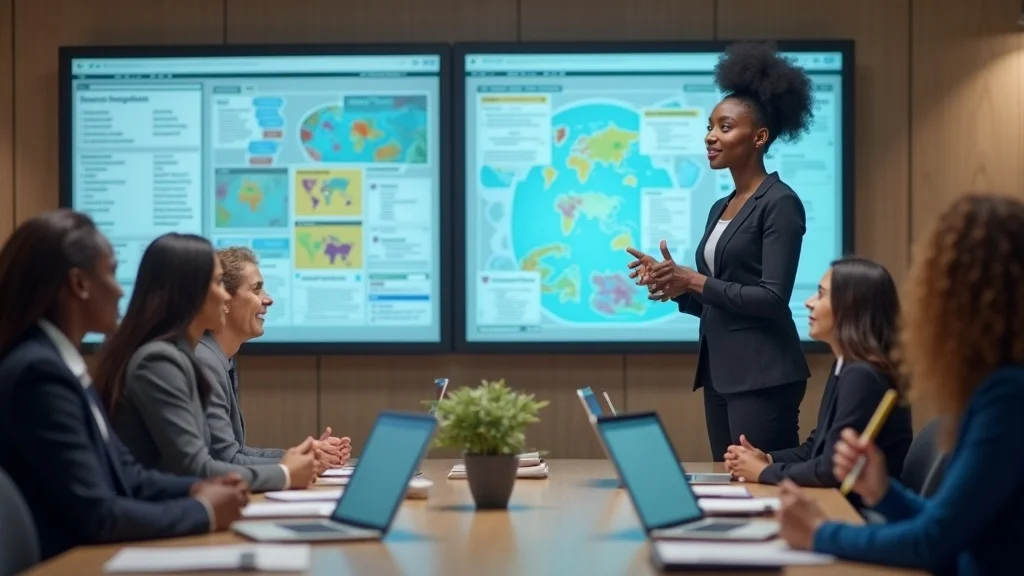
The power of mentorship is profound in Africa’s STEM pipeline. Women-led networks—such as the African Women in AI and Engineering Collective—connect university students, secondary school girls, and established professionals across the continent. These platforms run coding bootcamps, AI hackathons, and mentorship circles in Nairobi, Lagos, Johannesburg, and Accra. The result: exponential growth in young girl and young woman participation in competitive engineering and computer science competitions, as well as rising numbers of women from underrepresented communities accessing scholarships. Intergenerational mentoring reinforces that success in STEM is not reserved for a privileged few, but a shared reality accessible, achievable, and celebrated by African women themselves.
"Mentorship from African women in STEM inspires confidence and capability in the next generation." – Prof. Njeri Mwangi, Robotics Educator, Kenya

5. African Women as Founders: Startups and Social Enterprises in STEM
The entrepreneurial landscape across Africa is evolving rapidly due to the vision and drive of women founders. Female-led startups in EdTech, biotech, and AI are not only attracting venture capital but are also addressing urgent local and continental needs. Their businesses are often grounded in community outreach, using digital technology to improve education, healthcare, and food security. African women as researchers, engineers, educators, founders have moved beyond traditional roles, building technology firms, AI labs, and educational platforms that redefine possibilities across Africa’s digital economy.
Case Studies: From EdTech Platforms to Food Security Solutions
In Kenya, a woman-run EdTech venture offers local-language learning solutions, reaching hundreds of thousands of primary school students, including young girl learners previously underserved. Nigeria is home to a female computer scientist whose AI-powered agri-business startup helps farmers forecast crop yields using mobile apps. In South Africa, a biomedical engineering startup—founded by an African woman—provides affordable diagnostic tools for remote clinics. These case studies show that when women lead, solutions scale locally and inspire global recognition, with African innovations in science and technology entering international education and healthcare markets.

Women-Led Startups Shaping Africa’s AI Ecosystem
The African AI ecosystem is rapidly changing, with women-led companies at its forefront. Startups founded by African women now drive initiatives in natural language processing for indigenous languages, AI-powered logistics, and health-tech platforms for rural communities. Their ventures attract international partners and are featured at the World Economic Forum and other global innovation summits—not as tokens, but as respected leaders of the digital transformation. The result is a stronger, more inclusive African tech narrative, where women in STEM are seen first and foremost as originators, not exceptions.
6. Policy, Ecosystems, and Regional Movements: The Infrastructure Supporting African Women in Research and Innovation
Policy and infrastructure are enabling African women’s contributions in research and innovation to flourish. South Africa’s national policies fund women in STEM fellowships, research chairs, and early-stage startup grants. Pan-African networks like the African Women in Science and Engineering Forum support women in sharing knowledge across borders, while regional initiatives link research centres, universities, and industry hubs throughout the continent. This collaborative ecosystem is central to advancing innovation for all Africans, putting women’s expertise and leadership at its core.
South Africa’s National Initiatives for Women in STEM
South Africa leads the region with dedicated governmental initiatives supporting women in STEM, from undergraduate scholarships to postdoctoral research positions reserved for women. The National Research Foundation’s Women in Science Awards spotlight rising stars and established leaders who have transformed fields as diverse as aerospace engineering, computer science, and biomedical innovation. The overflow effect is seen in increased female representation in engineering faculties and higher rates of participation in advanced research projects, with women driving both policy and practical outcomes in technology, education, and health sectors.
Continental Collaboration and Knowledge Sharing
Collaboration is Africa’s innovation engine. From Ghana to Kenya, women-led networks facilitate knowledge exchange through joint conferences, cross-country hackathons, and multi-institutional research grants. The African Union’s Science, Technology, and Innovation Strategy spotlights gender inclusion, making regional partnerships and cross-border support the norm rather than the exception. With women as both leaders and participants, these collaborations are changing the perception and the reality of who leads Africa’s scientific and technological futures.
7. Country Spotlights: Unique Successes from Across Africa
The achievements of African women as researchers, engineers, educators, and founders are as diverse as the continent itself. Each country presents unique models and breakthroughs:
Ghana: Digital Inclusion and Rural Outreach by Female Scientists
In Ghana, female scientists drive digital literacy for rural girls, often travelling to remote communities to deliver hands-on technology workshops. These women develop training modules in local languages, providing digital devices and access to e-learning platforms. Ghana’s rural outreach campaigns, led by women, have dramatically increased computer science enrolment among girls and contributed to national targets for STEM representation. Such homegrown strategies are replicated across Africa, proving the transformative potential of contextually driven digital inclusion.

Kenya: Tech Hubs Led by Women Engineers
Kenya stands out for its network of tech hubs run by women engineers. These innovation centres, found in Nairobi and Mombasa, offer not only cutting-edge coding spaces but also mentorship, business incubators, and scholarships for young women. By embedding community needs into their approach, Kenyan women engineers are setting new standards for what innovation spaces can accomplish, and are now exporting their models to other regions across Africa. Kenya’s women-led tech hubs demonstrate how local leadership catalyses global opportunity and technological advancement.
Nigeria: Women in AI-Powered Health Diagnostics
Nigeria’s leadership in AI-powered healthcare owes much to its women innovators. A team of Nigerian women computer scientists launched an AI diagnostic platform that now serves dozens of public hospitals and millions of patients, especially in underserved rural areas. Their efforts in AI and digital health are quoted by the World Economic Forum as best practice, inspiring other African countries to adopt similar approaches. These innovators are shaping global perceptions of African, and indeed African-American, scientific and technological excellence in health and biomedical fields.
Watch: Roundtable: African Women Founders Discuss Building STEM Startups (interviews with women founders, engineers, and tech innovators across Africa).
8. Societal, Economic, and Global Impacts: Why This Matters for Africa Now
The impact of African women in research, engineering, education, and startups extends far beyond academia or business metrics. The economic benefits—documented by entities like the World Economic Forum—include higher GDP growth, more resilient job markets, and increased investment in emerging technology fields. Societally, their leadership has improved access for young girl learners, transformed cultural perceptions around women in science and engineering, and generated role models for new generations. Globally, Africa’s women-led AI and STEM solutions are influencing the development of ethical, inclusive technologies—cementing the continent as a key driver of global change now and for decades to come.
How Women in STEM Drive Economic Transformation in Africa
African women in STEM are recognised not just as researchers or executives, but as economic engines. By leading businesses, pioneering inventions, and launching educational initiatives, they open new markets and career paths. Studies show that economies with higher numbers of women in technology and engineering grow faster and more sustainably. In places like South Africa, Nigeria, and Kenya, women-led STEM ventures attract significant venture capital and international research funding. These advances benefit societies by creating diverse solutions—ranging from AI-powered agri-tools to digital health diagnostics—while ensuring that economic transformation is sustainable and inclusive, with women in Africa at the centre of the story.

Linking Local Advances to Broader Global AI Evolution
Africa’s unique STEM solutions—shaped by women’s expertise—are influencing worldwide conversations about AI, digital ethics, and technological equity. African AI and engineering innovations are increasingly cited in international academic papers, selected for presentation at global science and technology forums, and studied as templates for ethical, inclusive development. African women’s contextual innovations challenge global norms, proposing equitable digital futures and localised solutions for universal problems. In short, what happens in African labs and startups today is shaping global knowledge, business practices, and even major international policy on AI and science for tomorrow.
9. Lists: Top African Women as Researchers, Engineers, Educators, Founders – By Field
- Biomedical Scientists – Leaders in AI diagnostics, public health, and biomedical device design.
- Aerospace Engineers – Innovators in satellite engineering and aeronautics across Sub-Saharan Africa.
- EdTech Entrepreneurs – Creators of regionally relevant learning platforms serving millions of African students.
- AI Policy Leaders – Leading voices in shaping ethical AI standards for Africa at international forums.
- Women-Led STEM Labs in Universities – Managing ground-breaking labs from South Africa to Egypt that advance core African research priorities.
10. Looking Forward: The Next Wave of African Women Leading STEM
The next decade is poised to amplify the role of African women in emerging fields such as AI ethics, robotics, and sustainable technology. With strong mentorship, growing pipeline programmes for young women and girls, and increased continental investment in education infrastructure, Africa’s women-led STEM revolution is only beginning. Expect to see visionary African science and tech leaders dominating international conversations and advancing breakthroughs designed first for Africa, and then for the world.
Emerging Fields: AI Ethics, Robotics, Sustainable Tech
Women across Africa are already shaping AI ethics frameworks, designing locally relevant robotics solutions, and inventing sustainable technologies tuned to Africa’s resources and needs. In Ethiopia, a young robotics engineer won an international prize for designing a drone that delivers medicine to rural clinics. In Tunisia, African women computer scientists are writing algorithms to ensure AI decision-making reflects both African values and global standards. These future-facing fields are just the beginning—the next generation of African girls and young women are being mentored by today’s leaders to push boundaries even further.

Building the Next Generation: Outreach, Scholarships, and Community Programs
Africa’s strength lies in its commitment to nurturing talent. Outreach campaigns, mentorship circles, scholarships for STEM, and community-based learning events—largely run by African women—are dramatically expanding access for younger generations. University partnerships now fund rural girls’ attendance at science camps. Corporate-backed scholarships and coding schools are opening across Sub-Saharan Africa, prioritising the inclusion of underrepresented groups. By investing in the pipeline, Africa ensures that the advances we see today are the foundation for an even more remarkable future, built, led, and envisioned by African women as researchers, engineers, educators, founders, and global innovators.
As you reflect on the remarkable progress and leadership of African women in STEM, consider how these stories are part of a much larger movement shaping the continent’s future. For ongoing analysis, breaking news, and strategic insights into Africa’s innovation ecosystem—including the latest on women’s impact in technology, policy, and education—visit Africa Frontline Media. Their coverage offers a broader perspective on the trends and challenges driving Africa’s transformation, helping you stay informed and inspired as the next generation of leaders emerges. Dive deeper to discover how these advancements are influencing not just Africa, but the global stage as well.
People Also Ask: African Women as Researchers, Engineers, Educators, Founders FAQ
Who are the five historical Black women?
Five influential Black women in science and technology history include Katherine Johnson (mathematician), Dr. Gladys West (mathematician and softwar engineer), Dr. Mae Jemison (engineer and the first African-American woman in space), Dr. Shirley Ann Jackson (physicist), and Dr. Wangari Maathai (environmental scientist from Kenya). Their achievements in research, engineering, and education paved the way for new generations of African women and African American women in STEM fields.
Who are the famous Black women scientists?
Notable Black women scientists include Dr. Wangari Maathai (Nobel laureate, environmentalist), Dr. Mae Jemison (engineer, astronaut), Dr. Funke Opeke (Nigerian telecommunications engineer), Dr. Juliet Daniel (cancer researcher), and Dr. Tebello Nyokong (South African chemist). Each has excelled in her field, inspiring young woman and young girl scientists across Africa and globally to excel in STEM research and innovation.
Who were the Black women in tech history?
Black women in tech history have included pioneers like Grace Alele-Williams (first Nigerian woman to get a doctorate in mathematics), Annie J. Easley (American computer scientist and rocket scientist), and Martha Chizuma (leading Malawian legal tech innovator). Their work in computer science, chemistry, and legal technology continues to inspire e women breaking new ground today in both Africa and the United States.
Who was the famous black female genius?
Dr. Mae Jemison is often cited as one of the most brilliant Black women in science, being both the first African-American woman astronaut and a highly accomplished engineer and physician. Her groundbreaking achievements, including her time aboard the Space Shuttle Endeavour, have been celebrated worldwide, symbolising excellence for African and African-American young women in science and technology.
FAQs: African Women as Researchers, Engineers, Educators, Founders
- What programs support African women as researchers and engineers? Multiple African governments and private sector coalitions run scholarships, mentorship circles, and STEM leadership institutes dedicated to women. Initiatives like South Africa’s Women in Science Awards, the African Women in Science and Engineering forum, and pan-African venture capital competitions provide funding, research support, training, and global exposure, ensuring women in STEM have the backing needed to succeed.
- Are there regional differences in women’s STEM advancement across Africa? Yes, but every region is seeing progress. South Africa and Kenya lead in tech hub creation, while Ghana and Nigeria excel in female-driven digital inclusion and biomedical science. North African nations such as Egypt increasingly focus on software engineering and AI research led by women, each with contextual approaches supporting continent-wide progress.
- How can educators encourage more young African women toward engineering and AI research? Hands-on mentorship, outreach events, and culturally relevant learning materials have been shown to boost girls’ confidence and interest in STEM from an early age. Involving female engineers, researchers, and founders as guest speakers, mentors, or curriculum co-designers bridges aspirational gaps and normalises women’s participation and leadership in African science and technology.
Key Takeaways: Advancing Africa Through Women in STEM
- African women as researchers, engineers, and founders are redefining modern education and technology.
- Regional initiatives accelerate women’s participation in AI and STEM.
- Empowering women in STEM catalyses societal and economic transformation across Africa.
Conclusion: The Future of African Women as Leaders in Research, Engineering, and Education
The next chapter of Africa’s story will be written by women who are not only entering research, engineering, and education—but leading it for the continent and the world.
👉 Follow AI Nexus Africa to learn where African women are shaping AI in real-world systems.

Sources
- UN Africa Renewal – https://www.un.org/africarenewal/news/africas-youth-boom-demographic-dividend-or-time-bomb
- World Bank – https://www.worldbank.org/en/news/feature/2018/11/22/women-in-stem-in-africa-breaking-barriers-shaping-the-future
- World Economic Forum – https://www.weforum.org/agenda/2022/03/gender-gap-women-stem-careers-africa/
- African Women in Science and Engineering Forum – https://iwin-africa.org/
- National Research Foundation South Africa – https://www.nrf.ac.za/nrf-funding/national-research-foundation-nrf-awards/
African women are making significant strides as researchers, engineers, educators, and founders, driving innovation and development across the continent. For instance, Dr. Kaoutar El Maghraoui from Morocco is an award-winning researcher in artificial intelligence, leading projects at IBM’s Thomas J. Watson Research Center. Her work focuses on systems and AI, contributing to advancements in next-generation accelerators and systems for AI workloads. (afchix. org) In Kenya, Jihan Abass founded Lami Technologies, an insurtech company that provides digital infrastructure to make insurance accessible and affordable. Her efforts are revolutionizing the insurance industry by leveraging technology to reach underserved populations. (techlabari. com) These examples highlight the transformative impact of African women in STEM fields, showcasing their leadership and innovation in addressing both local and global challenges.



Write A Comment